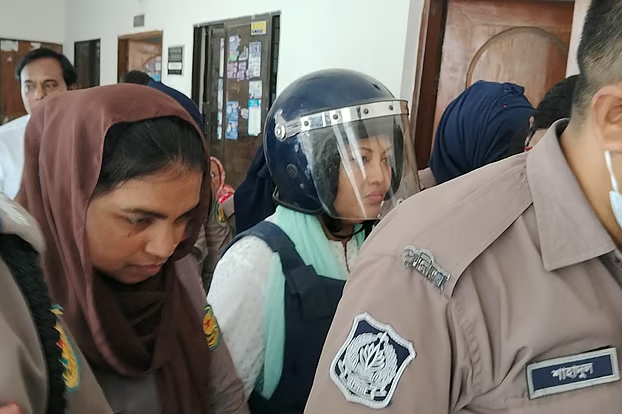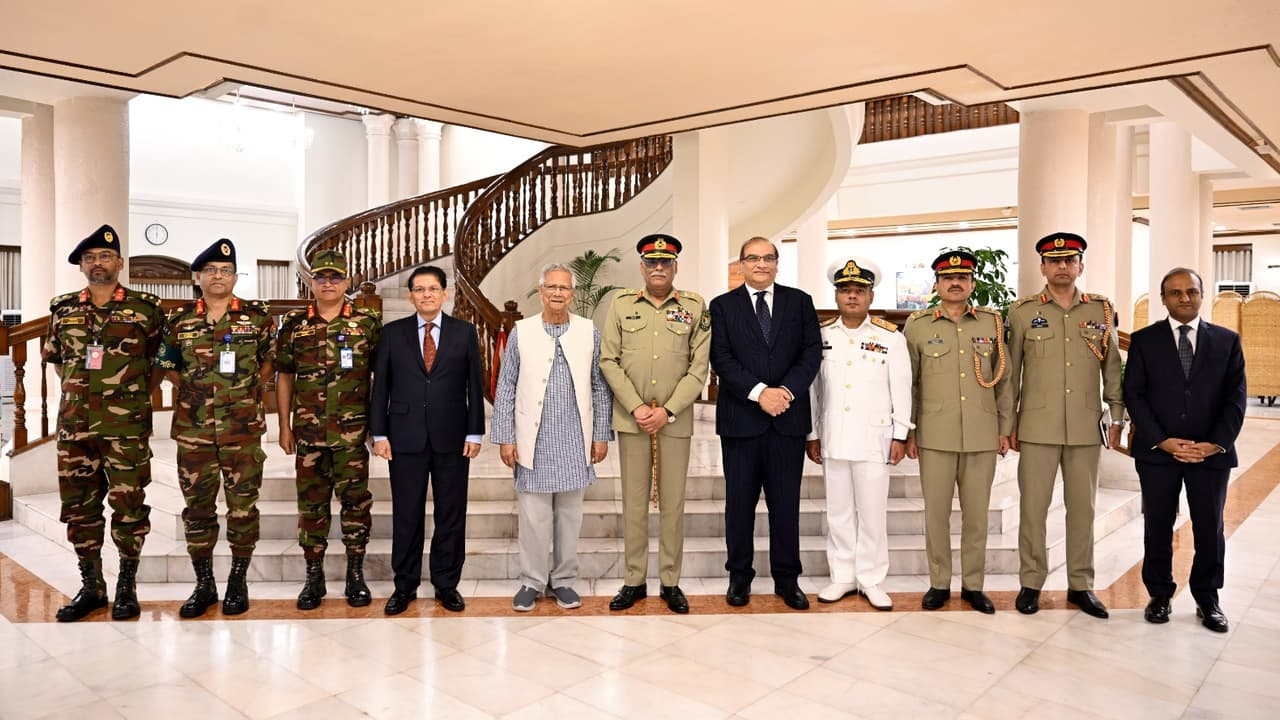
Intelligence reports claim Pakistan is attempting to rehabilitate ULFA leader Paresh Baruah in Bangladesh. Analysts warn of security risks for Northeast India.
Recent intelligence reports have surfaced alleging that Pakistan is attempting to facilitate the rehabilitation of United Liberation Front of Asom (ULFA) leader Paresh Baruah in Bangladesh. If verified, the development could have significant implications for regional security—especially in Northeast India, where ULFA remains one of the most prominent insurgent groups.
Security analysts and regional experts are closely monitoring the situation, emphasizing that such a move could undermine long-standing counter-insurgency cooperation and raise fresh concerns over cross-border destabilization.
What the Reports Claim
According to sources cited in the emerging intelligence assessment, Pakistan’s Inter-Services Intelligence (ISI) is exploring options to reintegrate Paresh Baruah into a strategic safe haven within Bangladesh. The purported aim of this initiative is to provide Baruah with logistical support and operational cover so that he might rebuild ULFA’s capacities, which have been significantly degraded over the last decade.
Paresh Baruah, a founding commander of ULFA’s armed wing, has been one of India’s most wanted insurgent leaders for decades.
While ULFA’s top leadership fractured following peace talks between other commanders and the Indian government,
Baruah has remained outside formal negotiations and was long believed to be based in Southeast Asian border regions.
The intelligence report suggests that Pakistan may be seeking to reposition him closer to the India-Bangladesh border—raising alarm in New Delhi and regional capitals.
Potential Impact on Northeast India
Security analysts warn that rehabilitating an insurgent leader like Baruah inside Bangladesh could:
- Exacerbate instability along the India-Bangladesh frontier.
- Create safe havens for insurgent cadres in border districts.
- Complicate ongoing counter-insurgency cooperation between India and Bangladesh.
- Provide a morale boost to remaining ULFA factions and other militant formations.
One regional security expert told this newsroom that the revival of external support for ULFA could embolden splinter groups in Assam, Nagaland, and other northeastern states that have been grappling with insurgency challenges for decades.
“If ULFA leadership finds renewed shelter and backing, it changes the security calculus for both India and Bangladesh. A destabilized Northeast is a risk no nation in the region can afford,” the expert noted.
Historical Context: Bangladesh–India Counter-Insurgency Cooperation
In the past, Bangladesh and India have cooperated closely against insurgent entities, including ULFA. Dhaka’s effective crackdown on militant networks within its territory was widely seen as a major boost to regional security and served as an example of functional bilateral cooperation.
This makes the current intelligence claims more surprising to observers, as such a reversal would signal a significant shift in strategic alignments.
Official Responses: Silence and Caution
To date, no official confirmation has been issued by the governments of Bangladesh or Pakistan regarding these allegations.
Likewise, India’s Ministry of External Affairs and law enforcement agencies have not publicly acknowledged the reports.
However, diplomatic sources and security officials indicate that the matter is being taken seriously behind closed doors. Regional think tanks note that:
- Intelligence agencies are actively tracking movements and communications involving ULFA remnants.
- Bangladesh’s internal security apparatus is being urged to remain vigilant.
- New Delhi is likely to raise the issue in diplomatic engagements if further substantiation emerges.
International Media and Coverage
At the time of writing, global mainstream media outlets have not yet published detailed coverage of this specific intelligence claim.
However, several South Asian news platforms and defense analysis portals have referenced similar concerns about militant cross-border activity in recent months.
Should further corroboration arise—
either through satellite imagery, intercepted communications, or other verifiable sources—
it is likely the story will attract wider international attention.
Conclusion
The intelligence allegation that Pakistan is attempting to rehabilitate ULFA leader Paresh Baruah in Bangladesh remains unconfirmed by any government authority.
Still, the very emergence of such claims reflects ongoing concerns about transnational militant networks and geopolitical rivalries in South Asia.
If substantiated, this development would warrant heightened diplomatic engagement and strengthened security cooperation between Bangladesh and India to prevent the resurgence of insurgency threats in the region.
For now, analysts caution that proactive monitoring and cross-border intelligence sharing remain essential to guarding against potential destabilizing influences.
About the Author