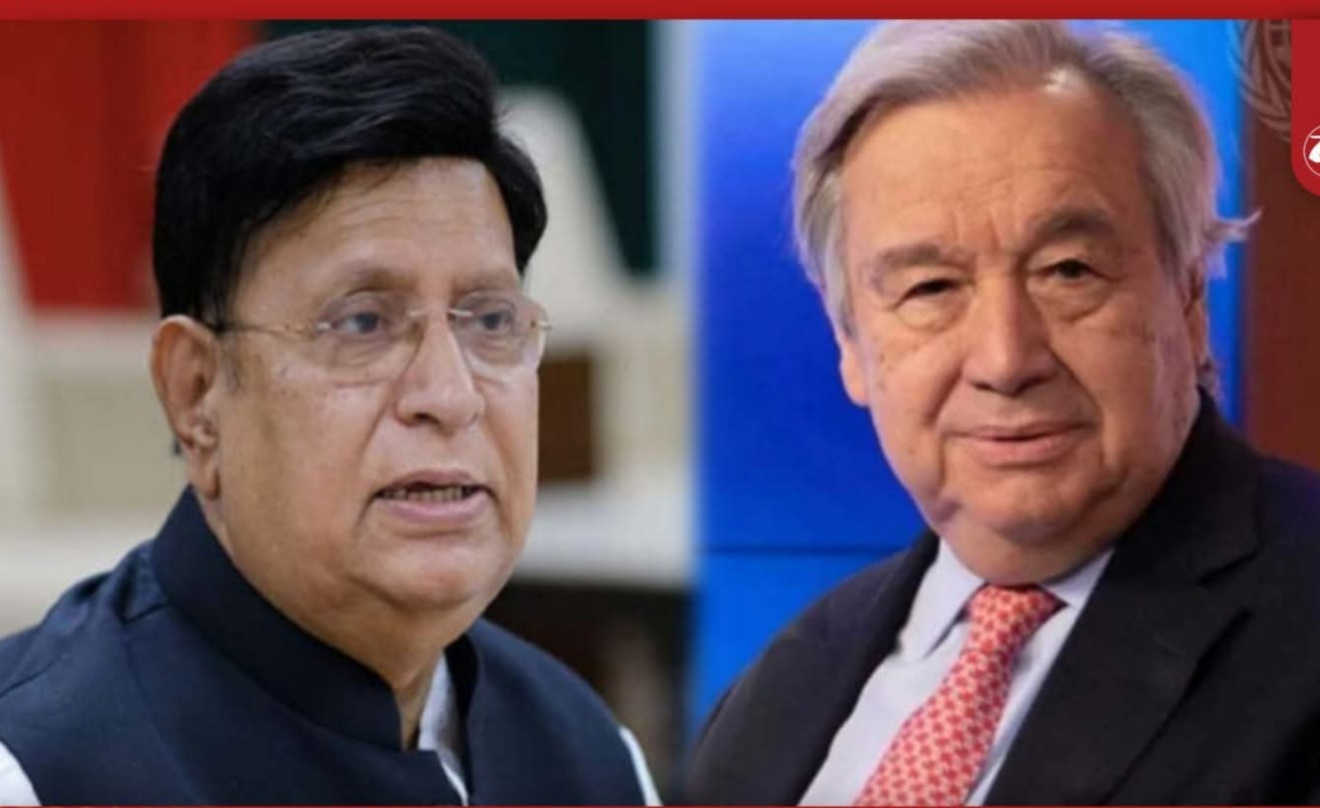
Former FM Dr. A.K. Abdul Momen warns the UN of procedural violations and political motives behind a former PM’s death sentence amid rising tensions in Bangladesh.
Former Foreign Minister and Bangladesh’s former Permanent Representative to the United Nations, Dr. A.K. Abdul Momen, has sent an urgent letter to UN Secretary-General António Guterres, raising serious concerns about the country’s judicial process, political environment, and the alleged misuse of a UN human rights observation in delivering a death sentence to a former Prime Minister.
In the strongly worded letter, Dr. Momen argues that the decision was influenced by procedurally unauthorised observations from UN High Commissioner for Human Rights Volker Türk—a claim that opens a fresh debate on the credibility, neutrality, and legal boundaries of international institutions.
UN Human Rights Observation Under Scrutiny
Dr. Momen’s central allegation is that the OHCHR’s observation used in the verdict was:
- Not reviewed or approved by the UN Human Rights Council (UNHRC),
- Not authorised under UN procedural rules, and
- Used politically within Bangladesh’s courtroom to influence the sentencing.
According to Momen, any such unreviewed or unilateral assessment violates the UN’s Rules of Procedure, weakens the credibility of multilateral bodies, and risks weaponizing international human rights mechanisms for domestic political outcomes.
He asserts that a life-and-death judgment should not rely on “unauthorized and unverified documentation,” warning that such use undermines both judicial legitimacy and UN neutrality
Political Crisis and Democratic Concerns Highlighted
The letter also sheds light on Bangladesh’s escalating political tensions, citing issues such as:
- Restrictions on political assemblies,
- Controlled political environment,
- Arrests of activists and journalists,
- A stalled or constrained democratic process.
Dr. Momen states that the nation stands at the “edge of a deep crisis,” and urges the UN to intervene to protect democratic integrity, rule of law, and citizens’ fundamental rights.
Commonwealth Secretary-General’s Visit and Four Key Demands
Ahead of the scheduled 20–24 November visit of the Commonwealth Secretary-General, Dr. Momen presents four key demands, framing them as necessary steps to restore political stability:
- Initiate an inclusive and free election process with participation from all political parties, including the Awami League.
- Lift restrictions on political gatherings and freedom of expression.
- Release political detainees and journalists held under emergency or political charges.
- Implement the Commonwealth Strategic Plan of Action to support democratic resilience.
These demands, if addressed, could reshape Bangladesh’s internal political landscape and improve international confidence, analysts suggest.
Diplomatic Implications: Pressure on Both Dhaka and the UN
The letter places pressure on:
- Bangladesh’s judiciary, questioning independence and political influence;
- The UN human rights system, challenging credibility and procedural discipline;
- The Commonwealth, which now faces heightened expectations to mediate.
Observers say this move may intensify global scrutiny of Bangladesh’s governance and justice system. It may also compel the UN to clarify whether the cited human rights observation followed proper channels.
Judicial Independence vs. International Influence: A Serious Debate
A critical question emerges from Momen’s letter:
Can a national court rely on an unauthorised UN observation to deliver a death sentence?
The answer could redefine future interactions between international assessments and domestic judicial systems—not only in Bangladesh but globally.
About the Author