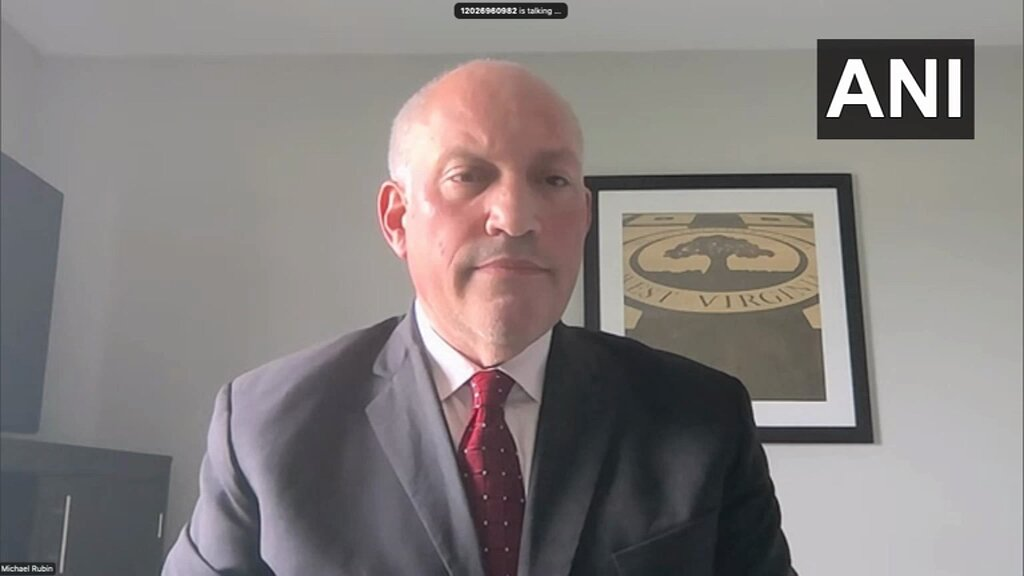
Former Pentagon official Michael Rubin claims Donald Trump helped deepen India–Russia ties, sparking global debate on shifting geopolitical alliances.
A recent comment by former Pentagon official and geopolitical analyst Michael Rubin has sparked widespread debate across global media. According to Rubin, former U.S. President Donald Trump played a decisive role in bringing India and Russia closer on strategic, political, and security fronts — a shift he believes is profound enough to earn Trump a Nobel Prize nomination.
Why Rubin Believes Trump Influenced India–Russia Relations
Michael Rubin argues that several strategic decisions and geopolitical pressures during the Trump presidency reshaped New Delhi’s foreign-policy outlook. According to him:
- Washington’s inconsistent stance on India’s defence autonomy pushed New Delhi to strengthen long-standing ties with Moscow.
- The U.S. approach during Trump’s era indirectly encouraged India to rely more heavily on Russia for defence procurement, energy security, and geopolitical balancing.
- India’s national interest required a diversified supply chain for arms and oil, making Russia an essential partner despite Western pressure.
Rubin claims that this “geopolitical recalibration” has permanently altered the region’s strategic map.
U.S. Hypocrisy and Policy Mismatch: Rubin’s Criticism
Rubin’s comments also included strong criticism of Washington’s approach toward India. He accused U.S. policy circles of:
- Lecturing India on democratic principles while relying on New Delhi as a defence ally,
- Pushing contradictory policies, where Washington expresses concern over India-Russia ties yet fails to offer stable alternatives,
- Underestimating India’s strategic autonomy, particularly in defence and energy requirements.
These critiques were highlighted in Financial Express, which emphasized Rubin’s view that U.S. diplomacy has often been “hypocritical” when addressing India’s global positioning.
India–Russia Ties: A Growing Strategic Axis
Rubin’s assessment comes at a time when India–Russia relations have strengthened through:
- High-level bilateral summits,
- Expanded defence cooperation, including joint manufacturing and technology transfers,
- Energy deals involving discounted Russian oil,
- Collaboration in nuclear energy, space cooperation, and Arctic exploration.
According to India Today, Russia’s renewed diplomatic outreach toward India — particularly during Putin’s recent Asia-focused engagements — is seen as a consolidation of an old partnership in a rapidly shifting global landscape.
Implications for Global Geopolitics
The claim that Trump indirectly strengthened India–Russia ties opens new questions about:
- U.S.–India Relations:
Analysts argue Washington must rethink its approach if it wants India as a long-term strategic ally without forcing it to choose sides. - Russia’s Asia Strategy:
With Moscow’s growing isolation from the West, deeper ties with India provide Russia with essential economic and diplomatic leverage. - China Factor:
India’s complex rivalry with China makes strategic partnerships with both the U.S. and Russia essential rather than optional. - South Asian Power Balance:
The evolution of India–Russia relations may influence regional security dynamics involving Pakistan, China, and the Indo-Pacific coalition.
Global Reactions
Rubin’s remarks have triggered mixed reactions from analysts:
- Supporters argue India is reclaiming its non-aligned autonomy in a multipolar world.
- Critics believe Rubin has overstated Trump’s influence, saying India–Russia ties long predate his presidency.
- Neutral observers note that global realignment is ongoing, and no single leader can be credited for such shifts.
Despite differing opinions, most analysts agree the India–Russia partnership remains strategically significant and unlikely to weaken in the near future.
Conclusion
Michael Rubin’s statement has reignited global discourse on the shifting geopolitical landscape in Asia. Whether or not Donald Trump deserves credit — or a Nobel Prize — Rubin’s remarks highlight a crucial reality: India’s foreign policy is now more assertive, independent, and strategically diversified than ever before.
As global alliances continue to transform, India’s role as a balancing power between major blocs will remain central to the future of Eurasian and Indo-Pacific geopolitics.
About the Author