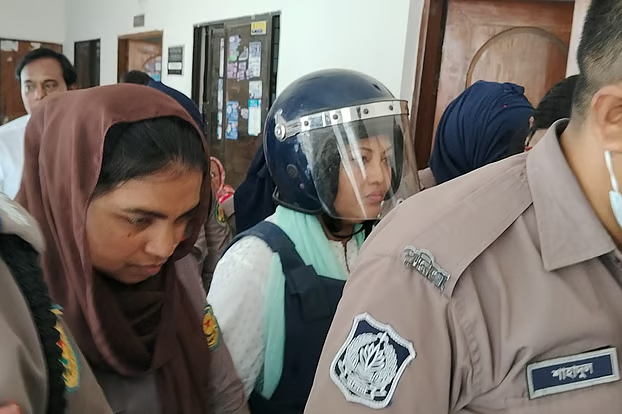
Explore the case of Jubo Mohila League leader Shilpi Begum, sent to prison with her 46-day-old infant, sparking a national debate on justice and mercy.
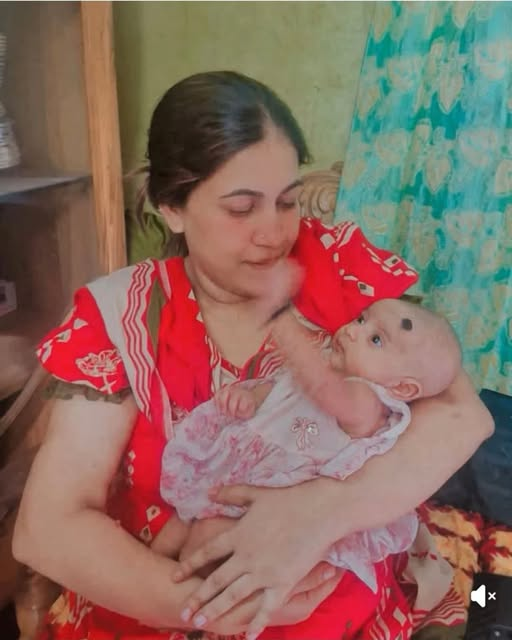
In a scene that has sent shockwaves through the national conscience, a one-month and sixteen-day-old infant has become the youngest inhabitant of a prison cell in Dhaka. Following a judicial order issued on Tuesday, April 21, Jubo Mohila League leader Mosa. Shilpi Begum was remanded to custody in connection with a July 2024 violence case. While the legal machinery grinds forward on charges of assault and looting, the presence of a nursing infant in the dock has raised a piercing question: Where does the law end and humanity begin?
The Midnight Arrest: Procedural Fact-Check
Acting on confidential intelligence, the Tejgaon police apprehended Shilpi Begum from her residence on the night of Monday, April 20. The arrest stems from a case filed on January 1, 2025, involving an attack on a Dhaka University student and the subsequent looting of his residence during the 2024 mass uprising.
Despite the gravity of the allegations—which include the theft of BDT 5,00,000 and involvement in a crackdown on student protesters—the optics of the arrest remained harrowing. Defense lawyer Farzana Yasmin Rakhi described the event as a “cruel precedent,” arguing that dragging a mother with a 46-day-old nursing child into police custody constitutes a profound violation of both maternal and infant rights.
Inside the Courtroom: The Judicial Dilemma
Additional Chief Metropolitan Magistrate Awlad Hossain Mohammad Jonaid presided over the hearing. The investigation officer, Sub-Inspector Sheikh Nazrul Islam, moved the court to keep the accused in detention to ensure an “unbiased investigation,” citing her alleged active role in suppressing the anti-discrimination movement.
“The accused played a significant role in suppressing the 2024 uprising. For the sake of a proper investigation, her detention is mandatory,” the IO stated in his submission.
While the court acknowledged the presence of the infant and directed prison authorities to follow the “Jail Code” for necessary care, the fundamental reality remains: a child who has barely seen six weeks of life is now subject to the environment of a correctional facility.
Human Rights vs. Political Accountability
The case of Shilpi Begum highlights a growing tension in post-uprising Bangladesh. While the demand for justice against those who opposed the student movement is high, the method of enforcement is under scrutiny.
- Infant Dependency: At 46 days, an infant is biologically dependent on the mother for nutrition and immunity. Separation is often impossible, yet incarceration exposes the child to potential health risks.
- The “Jail Code” Limitations: While the Jail Code provides for mothers with children, prison facilities are rarely equipped to provide the specialized care, sterilization, and peace required for a newborn’s development.
- A National Question: Is a political assault case—distinct from a capital crime like murder—sufficient grounds to subject a newborn to the trauma of imprisonment?
The “People’s Government” on Trial
Public sentiment remains sharply divided. Supporters of the current administration argue that the law must take its course regardless of personal circumstances, especially given the violence witnesses reported during the 2024 protests. Conversely, human rights advocates and legal experts argue that a compassionate state should explore alternatives, such as house arrest or expedited bail, when a case involves a nursing infant.
Critics ask: Is this the “Humanitarian Bangladesh” that the youth fought for? When a political case leads to the incarceration of a baby, it challenges the moral authority of the judicial process.
Comparative Legal Standards
The United Nations’ “Bangkok Rules” provide international guidelines for women prisoners and emphasize that authorities should prioritize non-custodial sentences for women with dependent children. In many jurisdictions, courts consider the presence of a newborn a significant mitigating factor for pre-trial bail, especially when the accused poses no flight risk or danger to society.
Conclusion: A Moral Crossroads
As Shilpi Begum enters the prison gates with her child tucked under her arm, the nation watches. The investigation must proceed, and the victims of the 2024 violence deserve justice. However, the sight of an infant in a police van serves as a stark reminder that justice without mercy can often resemble the very oppression it seeks to rectify.
The case now rests with the higher courts and the “conscience of the nation.” Will the legal system find a way to balance the pursuit of accountability with the fundamental right of a child to a safe and healthy start in life?
About the Author