Ansarullah Bangla Team militants in Dhaka issue fresh threats against India, mentioning Seven Sisters, Delhi and Kashmir, raising regional security concerns.
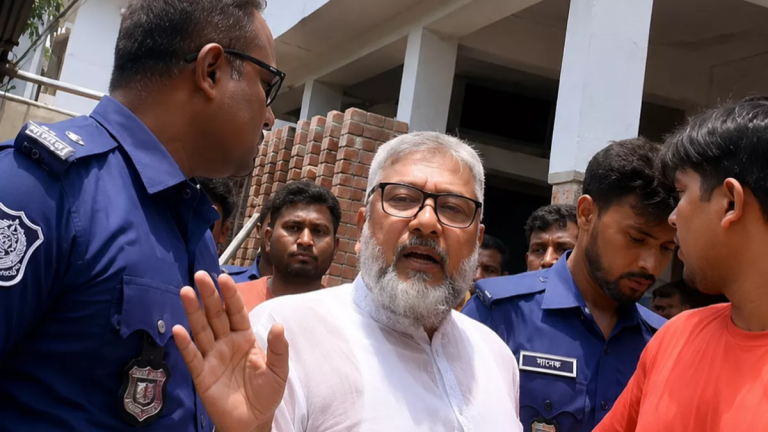
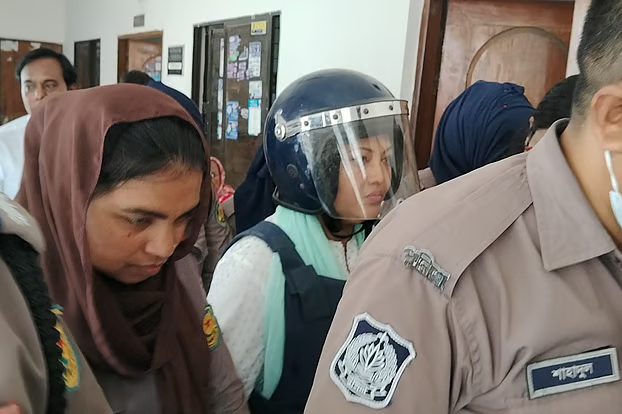
Militants linked to the banned extremist organisation Ansarullah Bangla Team (ABT) have once again issued open threats against India, triggering fresh concerns over regional security. According to allegations circulating in Dhaka, individuals identifying themselves under the banner of “Tawhid Janata” delivered provocative and violent statements, explicitly naming India’s Seven Sisters region, Delhi, and Kashmir as targets.
Security analysts warn that such rhetoric, even when delivered as propaganda or intimidation, reflects a dangerous escalation in extremist messaging and cannot be dismissed as mere verbal posturing.
Nature of the Threat Statements
The latest threat messages reportedly include calls to “break apart” India, using inflammatory language aimed at inciting violence and spreading fear.
By naming sensitive and strategically important regions such as the Seven Sisters, Delhi, and Kashmir, the statements appear designed to attract attention beyond Bangladesh’s borders and project an image of transnational ambition.
Experts note that this style of messaging closely mirrors earlier propaganda released by Ansarullah Bangla Team and its ideological affiliates.
Background of Ansarullah Bangla Team
Ansarullah Bangla Team is a banned militant organisation in Bangladesh,
known for its extremist ideology and past involvement in violent activities.
The group has previously been linked to targeted killings, radical propaganda, and efforts to recruit followers through religiously charged narratives.
Over the years, Bangladeshi authorities have cracked down on ABT networks,
arresting operatives and restricting online platforms used for radicalization.
Despite these efforts, analysts say remnants of the group continue to resurface under different names and banners,
such as “Tawhid Janata,” to evade detection and regain influence.
Regional and Cross-Border Security Implications
The open threat against India elevates the issue from a domestic security concern to a regional one.
India and Bangladesh share a long and sensitive border, and stability in one country directly affects the other.
Any attempt by militant groups to exploit political or social tensions risks straining bilateral relations and undermining regional peace.
Security observers argue that,
such threats underscore the importance of intelligence sharing and coordinated counterterrorism efforts between South Asian nations.
Response and Expectations from Authorities
While no immediate official response has been publicly confirmed regarding this specific threat,
counterterrorism experts stress the need for proactive measures.
Monitoring online extremist content, identifying organizers behind such statements,
and disrupting funding and communication channels are seen as critical steps.
They also caution that allowing extremist rhetoric to circulate unchecked can embolden radical elements and inspire lone-wolf attacks or cross-border conspiracies.
Conclusion
The renewed public threats against India allegedly issued by Ansarullah Bangla Team–linked militants highlight the persistent challenge of extremist networks in South Asia.
Even in the absence of immediate violence,
such rhetoric poses a serious risk to regional stability and public safety.
Analysts emphasize that sustained vigilance,
regional cooperation, and decisive legal action remain essential to prevent extremist groups from turning words into deadly action
About the Author