A shocking threat by the ICT chief prosecutor against a defense lawyer sparks major concerns about judicial neutrality, fair-trial rights, and abuse of authority.
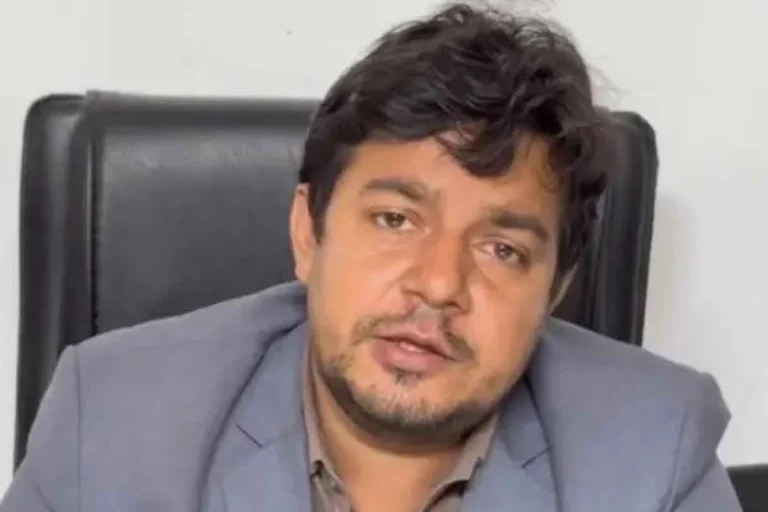
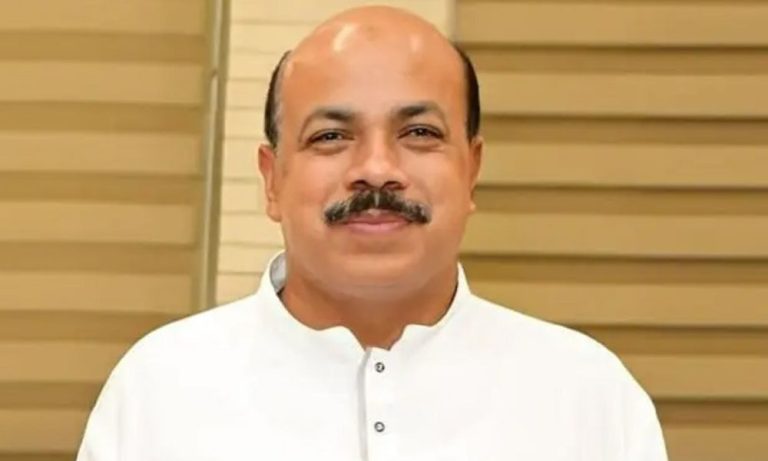
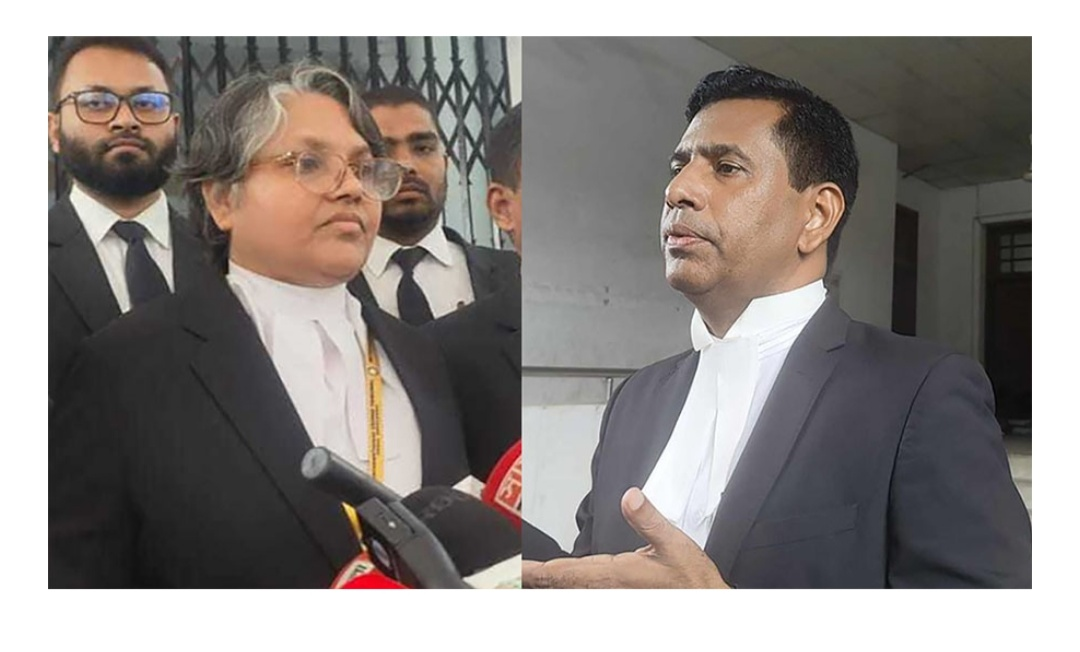
A heated exchange inside International Crimes Tribunal-1 on Sunday has ignited a nationwide debate regarding judicial independence and prosecutorial overreach. The incident occurred when Chief Prosecutor Tazul Islam openly threatened defense counsel Barrister Nazneen Nahar in front of journalists, lawyers, and observers—an act described by many as unprecedented and alarming.
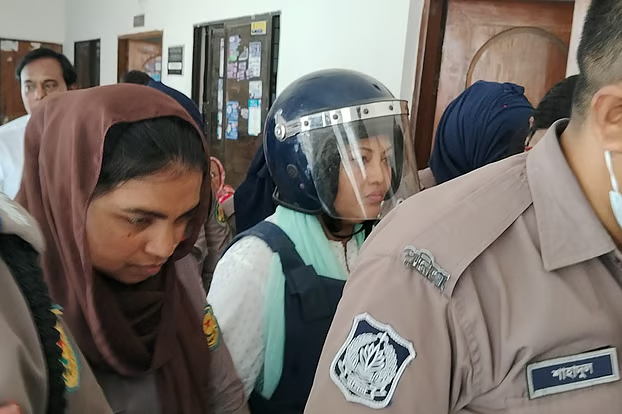
The confrontation began after Barrister Nazneen informed the tribunal that she was barred from being present during her client Maj. Gen. (Retd.) Ziaul Ahsan’s interrogation at a safehouse. According to her statement, she received no official notice and was prevented from entering, despite the legal right of an accused to have counsel present during questioning.
Her remark prompted an explosive reaction from the prosecution.
Chief Prosecutor Tazul Islam responded:
“Keep quiet. Do not speak. You can also be made an accused. We are receiving complaints against you from various places.”
The open threat shocked the courtroom—many present stated they had never witnessed a prosecutor attempt to intimidate a defense lawyer in such a direct and hostile manner
Legal Community Condemns “Dangerous Precedent”
Leaders within the legal profession condemned the incident almost immediately.
Former President of the Supreme Court Bar Association, Advocate J. R. Khan Robin, stated:
“This is a dangerous and deeply unfortunate trend. If the Chief Prosecutor himself threatens to make a defense lawyer an accused, how can the accused expect a fair trial? This directly obstructs the lawyer’s professional duties and destroys public confidence in the justice system.”
Another senior attorney argued that the threat was designed to silence the defense, adding:
“This is not merely a threat against Nazneen Nahar; it is a threat to the entire legal profession.”
The incident, rights advocates say, demonstrates a wider pattern where defense teams face intimidation, interference, and restrictions while representing the accused.
Growing Criticism of ICT’s Conduct
The International Crimes Tribunal (ICT) has—especially in recent months—faced intensified criticism for:
- Repeated harassment of defense lawyers
- Restricting client–lawyer meetings
- Preventing counsel from attending interrogations
- Procedural inconsistencies and lacking transparency
- Allegations of political influence in certain cases
Human rights organizations have long argued that fair trial rights depend fundamentally on the defense’s ability to operate without fear. When the prosecutorial side openly threatens the defense with legal retaliation, those concerns become even more severe.
This latest incident reinforces the claim often made by critics—that the tribunal has increasingly become a “tool of retaliation”, where dissent or procedural objections are interpreted as disloyalty or obstruction.
Judicial Neutrality Under Scrutiny
The Sunday confrontation has sparked renewed debate over judicial neutrality.
Legal analysts warn that the optics of the incident could:
- Erode public trust in the tribunal
- Undermine the perceived legitimacy of its verdicts
- Encourage further prosecutorial misconduct
- Discourage lawyers from taking politically sensitive defense cases
A senior lawyer noted:
“A fair justice system requires both sides to speak freely. If fear is used to silence one side, the system collapses in principle and practice.”
Given the gravity of the threat and the institutional implications, many within the legal community are calling for an official inquiry into the chief prosecutor’s conduct
About the Author