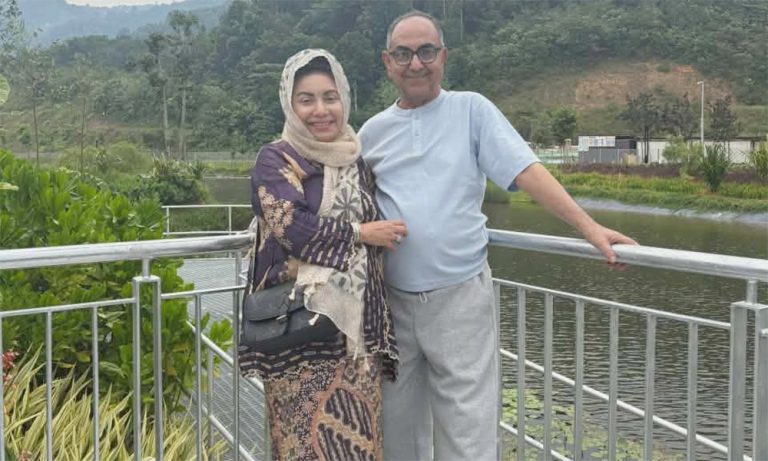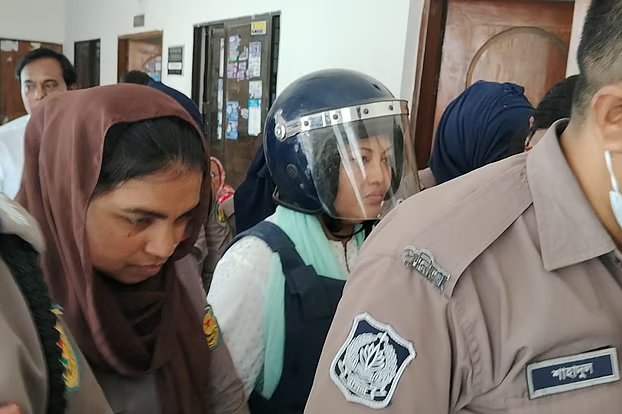
Oishi’s escape from the attack of the radical Islamist terrorist (called Tawheedy Janata)- Insecure art and culture and the instability of the Yunus-Jamaat-BNP alliance, this is the ‘new Bangladesh’.
Bangladesh is going through a complex and worrying time today. Recently, singer Oishi saved her life by climbing a ladder and scaling a wall to escape a sudden radical Islamist mob attack —this is not just an isolated incident; rather, it is a reflection of the dire crisis facing the country’s cultural environment, freedom of expression, and citizen security.
The incident has sparked a backlash on social media, with many asking, “Is this the new Bangladesh we were dreaming of?”
The aggressive politics of the Yunus-Jamaat-BNP alliance
In the current situation, the rise of terrorist-style monotheistic mobs is, according to many analysts, the result of “controlled chaos.” There are allegations that Jamaat-BNP, under the umbrella of Dr. Yunus, is once again bringing religious extremism into the field as a political force — allegations that have created intense concern among the public.
In a country once known for its progressive cultural practices, it is now becoming risky for artists to even sing in public.
Freedom of speech and art and culture under threat
The attack has only one purpose – to instill fear.
While even well-known singers like artist Oishi are not safe, the situation of ordinary citizens is even more critical.
Now the question arises:
Will people be able to speak freely again? Will artists, writers, journalists be able to work freely again?
It goes without saying that if incompetence, anarchy, and tacit support for religious extremism continue in state governance, Bangladesh’s cultural progress will reach the brink of destruction.
Is the country moving towards the Afghan-Pakistan model?
According to critics, recent events follow a familiar pattern—
first the creation of radicalism, then political concessions, then the weakening of the state apparatus.
The current situation in the country is reminiscent of the unstable times in Afghanistan or Pakistan.
Where fear, not culture—
where art, not prohibition—
where humanity, not the dominance of violent religious groups comes to the fore.
Is this the future of Bangladesh?
The rise of the Red Army and the fire of public anger
People on social platforms are saying,
“How does the Red Army look like? Turn your profile red.”
This is not just a symbolic protest; it is an expression of public anger and frustration.
The general public’s trust in those who came to power in the name of a new Bangladesh is rapidly eroding.
Many people say,
“Looking at the state of independent Bangladesh, it seems like things were better before.”
This attitude is dangerous because when people lose faith in the state, chaos and violence become the norm.
Is this the kind of Bangladesh you want?
A nation only progresses when art and culture are safe, citizens can freely express their opinions, and the rule of law is visible.
But this attack by the monotheistic crowd, the escape of the Aishi, and the silent stance of the state – all of this, the Bangladesh that is being created is very worrying.
Is this the Bangladesh we want?
Where industry is unprotected, freedom is restricted, and extremism becomes stronger than the state?
Both the state and society must be vigilant now—or they will pay a heavy price in history.
About the Author